
The inside of a neglected water heater tells the whole story. On the bottom there is a bed of mineral sediment, sometimes several inches deep, that makes the burner work harder, creates popping and rumbling, and can burn out the lower element on an electric unit. Hanging from the top is the anode rod, meant to corrode first, which may be down to bare wire after a few years. When it is used up, corrosion goes after the tank lining, and a leak is only a matter of time. For homeowners in Nashville, TN, a yearly visit is the simplest way to keep both of those problems from shortening the life of the heater.
A Nashville Water Heater visit is designed to stop both of those processes early. We drain and flush the tank until the water runs clear, remove and check the anode rod and recommend a replacement when it is mostly consumed, and test the temperature and pressure relief valve to confirm it opens and reseats. On gas units we inspect the burner, pilot or igniter, thermocouple or flame sensor, flue baffle, and venting for proper draft. On electric units we test the elements and thermostats with a meter and look at the wiring for heat damage. We check the expansion tank's air charge against your water pressure, verify the temperature setting is near 120 degrees to limit scalding, and look for early leaks at fittings and valves.
We maintain tankless units as well. In place of a sediment flush, they need periodic descaling, since hard water leaves mineral deposits in the heat exchanger that restrict flow and reduce efficiency. We isolate the unit, circulate a descaling solution through it, clean the inlet filter, check the vent and condensate line, and review stored error codes for patterns. Whatever type you have, you receive a plain summary of the unit's condition and any parts approaching the end of their life. For water heater maintenance in Nashville, call (615) 240-2592.
Most of our service calls are for Water Heater Repair in Nashville and Water Heater Replacement in Nashville. Either is a good place to start.
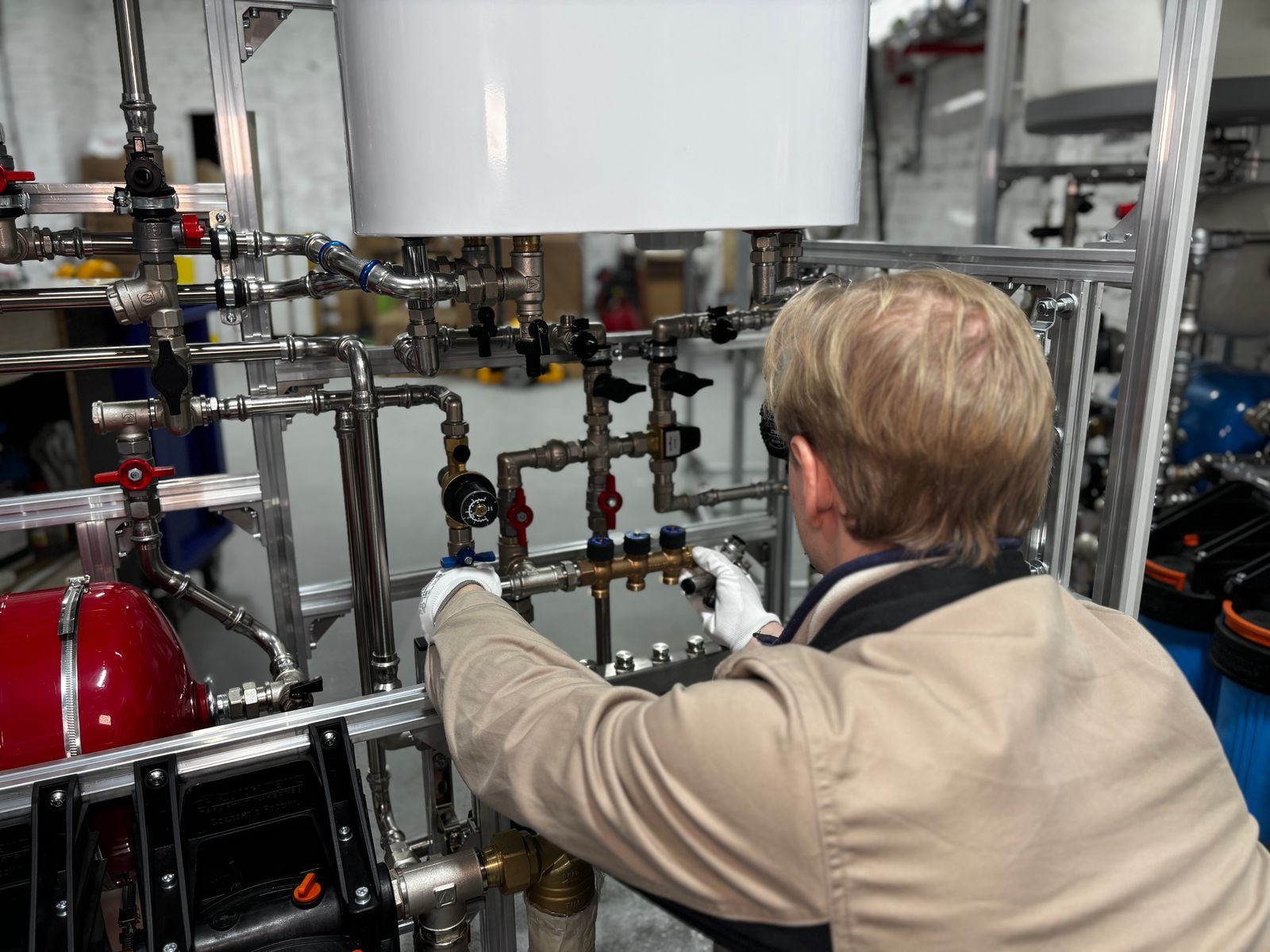
How to Tell Something Is Wrong
Recognizing the warning signs early can save you money and keep a slow drip from turning into a flooded utility room. Here are the most common indicators that it's time to call a professional:
- A smell like rotten eggs that shows up only on the hot side
- Small drips at the drain valve or connections
- Energy bills creeping up with no change in hot water use
- Rusty or discolored hot water at the tap
- Temperature swings or reduced flow from a tankless heater
- More than a year since anyone flushed the tank
- Hot water running out sooner than it used to
- Rumbling, popping, or crackling from the tank as it heats
Don't Wait for a Total Failure
Most water heater failures start small: a popping sound from sediment, a damp spot under the drain valve, or a shower that goes lukewarm a few minutes sooner each week. Don't wait. Get Nashville Water Heater on the phone at (615) 240-2592 and we'll get a technician scheduled.
Talk to Us About Water Heater Maintenance
Call Nashville Water Heater for fast, reliable service.
Call (615) 240-2592 NowYour Water Heater Maintenance Questions Answered
Why This Job Calls for a Pro
There is a short list of things you can do yourself: watching for leaks, keeping the area around the heater clear, and noting new noises. Beyond that, the work gets riskier. Draining a tank means handling scalding water and a drain valve that may not close again if it is old and full of sediment. Pulling an anode rod often takes a breaker bar and real leverage on a fitting that has not moved in years. Testing a T&P valve on an older heater can leave it dripping afterward. On gas units, the burner, thermocouple, and venting involve combustion safety, and a vent that is not drafting can put carbon monoxide into the house.
Our technicians carry the tools and parts for every step: replacement drain valves, anode rods sized for your tank, flexible anodes for tight clearances, T&P valves, and meters for testing elements and thermostats. For tankless systems, we bring the pump and descaling setup. Just as important, we know what to look for, from early corrosion at the fittings to a thermocouple starting to weaken, so you can fix small things before it becomes a failure. What you get is simple: a heater that lasts longer, runs more efficiently, and does not surprise you with a leak.
How We Handle Water Heater Maintenance
Our workflow is simple and thorough, so nothing gets missed between the fuel supply and the relief line. Here's a look at each step our team takes:
Safety Check First
The visit starts with safety: relief valve testing, a leak check, a look at combustion and venting on gas models, and element testing on electric ones.
Drain and Flush
Sediment is flushed out through the drain valve until the water comes out clean, and we check that the valve closes without dripping.
Anode Rod Review
Anode condition tells us how well the tank is protected, and the expansion tank check confirms thermal expansion is being absorbed.
Plain-Language Summary
After refilling, we confirm the heater is running, adjust the thermostat, and walk you through the condition of each part.
Repair or Replace? Let's Figure It Out.
We give honest advice and upfront pricing on every job, big or small.
Get Help: (615) 240-2592Simple Ways to Extend Your Water Heater's Life
Routine maintenance is almost always cheaper and easier than an early replacement. Follow these tips from our technicians:
- Descale tankless units once a year, or more often in hard water
- Treat hard water to cut down on sediment and scale
- Ask about the anode rod at each visit; it is the tank's main defense against rust
- Set the water temperature around 120 degrees for safety and efficiency
- Keep at least a couple of feet clear around the heater for air and service access
- Look around the base of the heater periodically for moisture
- Make an annual flush part of your home maintenance routine
Doing It Yourself vs. Hiring a Technician
Online videos may help in a pinch, yet lasting repairs and code-compliant installs depend on correct venting, proper relief valve discharge piping, and a trained technician. A side-by-side look:
| Factor | Doing It Yourself | Professional Service |
|---|---|---|
| Sediment Removal | Sediment clogs the valve midway | Full flush with replacement valve on hand |
| Corrosion Protection | Hard to remove without special tools | Replacement matched to your tank |
| Relief Valve | Test skipped entirely | Valve operation verified |
| Burner and Venting | Carbon monoxide risk if venting is off | Burner, pilot, and draft checked |
| Tankless Descaling | Missing pump or isolation valves | Error history reviewed |
| System Pressure | Waterlogged tank missed | Failing tank flagged |
Let's Get Your Hot Water Back
Don't let a failing water heater get worse. Call Nashville Water Heater now for prompt, professional service.
Call (615) 240-2592 NowWhere We Provide Water Heater Maintenance
We bring water heater maintenance to homes and businesses in town and across the nearby communities. Pick your area to see local details.