Most tankless problems announce themselves the same way, with a blinking code on the display and a shower that turns cold. Behind that code is a system with very little margin for error. There is no storage tank to fall back on, so the heater has to detect flow, light a burner or power its elements, and raise the water temperature by fifty degrees or more in the few seconds it takes water to cross the heat exchanger. When scale narrows the passages, when the flow sensor stops reading, when the flame rod cannot confirm a flame, or when the vent or gas line cannot keep up, the unit protects itself by shutting down. That is the pattern we see again and again in Nashville, TN.
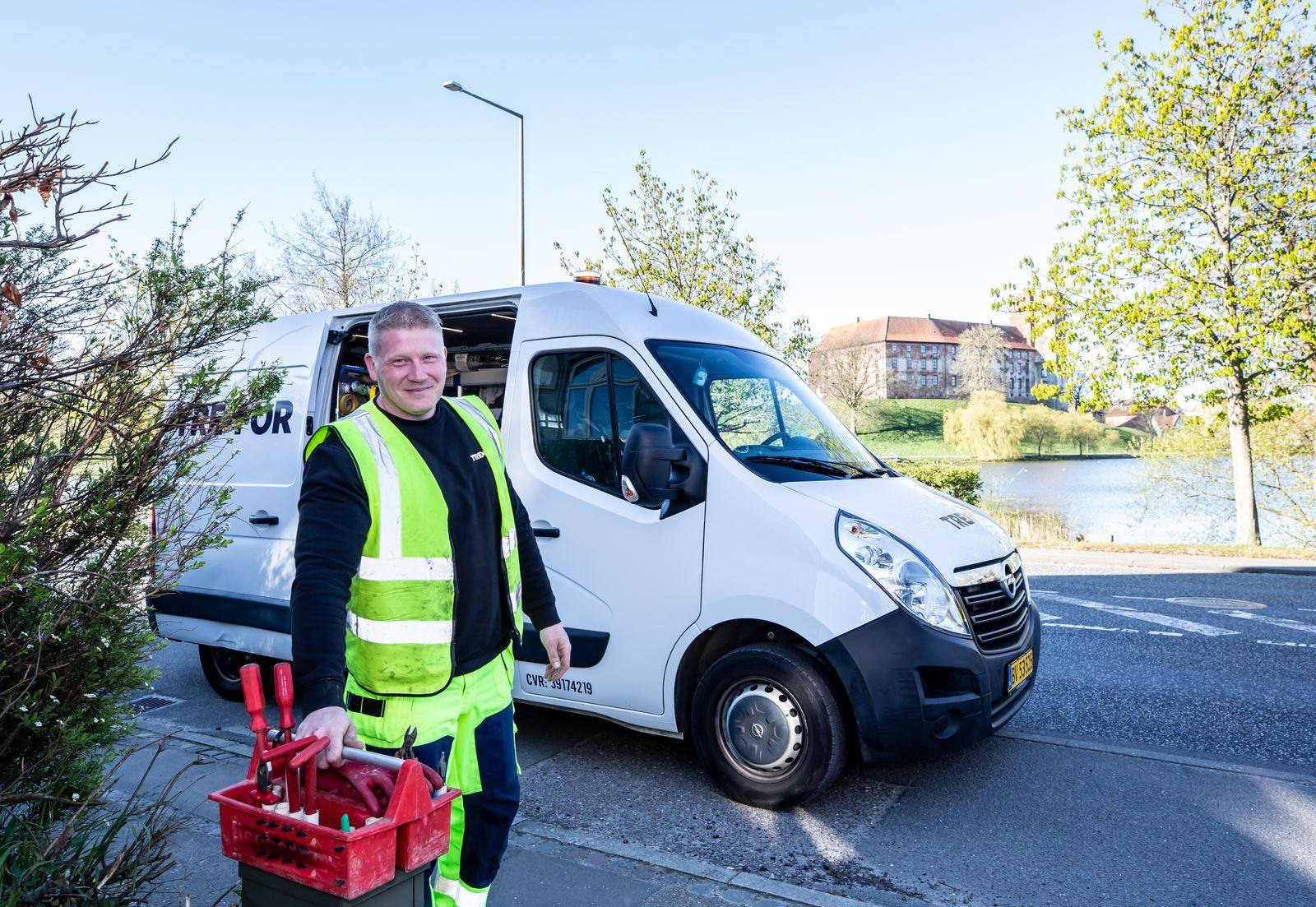
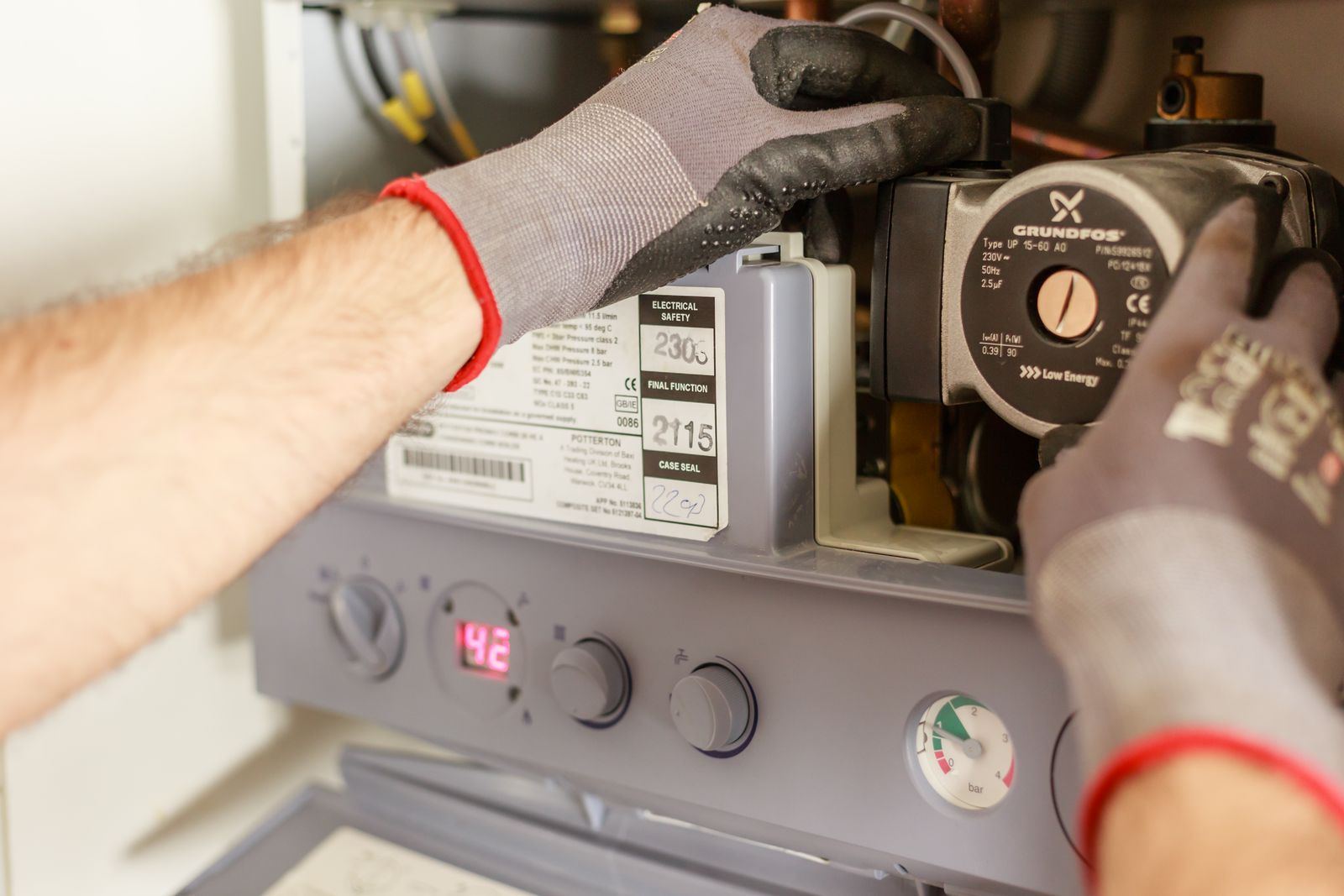
Our approach to tankless repair is simple: measure first, replace second. When we arrive at your Nashville home, we record the active code and the unit's fault history, then work through the systems behind it. Flow sensors are checked with water running to confirm they report demand correctly. Flame rods and igniters are tested electrically. Gas pressure is read at the inlet with the burner at maximum, because a line that holds steady at idle can sag badly under full load. The vent and air intake are inspected end to end, and the heat exchanger is judged by the temperature rise it achieves at a known flow. Only then do we recommend a fix, and we can show you exactly why.
We work on tankless heaters from Rinnai, Navien, Noritz, Rheem, Takagi, and the other major brands, gas-fired and electric alike. The fix depends on the diagnosis: a full descaling flush through the isolation valves when scale is choking the heat exchanger, a new flow sensor when the unit no longer notices a faucet opening, a fresh igniter or cleaned flame rod when ignition keeps failing, or a vent correction when the unit trips on combustion air. Sometimes the answer is bigger. A gas line undersized for the unit's full firing rate has to be upsized, and a heat exchanger cracked by years of scale may make replacement the smarter call on an older unit. Either way, you get the facts before you spend a dollar. Call (615) 240-2592 to schedule tankless repair.
Most of our service calls are for Water Heater Repair in Nashville. That's the place to start for most homes.
Symptoms That Mean It's Time to Call
Recognizing the warning signs early can save you money and keep a slow drip from turning into a flooded utility room. Watch for these telltale signs that professional help is needed:
- Hot water that fluctuates even though nobody touched the faucet
- Small draws, like a bathroom sink, that never trigger the heater
- New whistling, roaring, or rumbling from the unit
- Water dripping from the cabinet or the condensate line
- Repeated ignition attempts, then a shutdown
- An error code flashing on the unit's display
- Longer bursts of cold water between hot draws than you used to get
- Temperature dropping sharply when a second shower or the dishwasher starts
A Slow Leak Never Stays Slow
Left alone, even minor symptoms like rumbling or temperatures that swing from hot to warm tend to mean the heater is working its way toward a breakdown. Call Nashville Water Heater at (615) 240-2592 at the first sign of trouble.
Need Help With Tankless Water Heater Repair?
Call Nashville Water Heater for fast, reliable service.
Call (615) 240-2592 TodayFrequently Asked Questions About Tankless Water Heater Repair
What a Trained Technician Brings to the Job
There are two reasons tankless repair belongs with a professional: the diagnosis is tricky and the hazards are real. On the diagnostic side, an ignition code might mean a worn igniter, a dirty flame rod, low gas pressure, or a blocked intake, and replacing parts until the code clears adds up fast. On the safety side, a gas unit burns fuel at a very high rate and vents exhaust that contains carbon monoxide, while an electric unit can pull more than 100 amps through multiple 240-volt breakers. A mistake with either one is not a small mistake.
Calling a pro often costs less than trial and error. Our technicians do not guess at error codes. They test flow sensors under real flow, measure flame rod signal, confirm igniter resistance, read inlet gas pressure at full fire, and check the vent from end to end. When scale is the problem, we flush it out properly and rinse the system before the unit goes back in service. And because some tankless problems, like an undersized gas line or a cracked heat exchanger, are not solved by parts at all, we tell you so directly, before you commit to anything.
Our Tankless Water Heater Repair Process
Good water heater work comes down to a consistent routine, and ours starts with a real diagnosis instead of a guess. Here's a look at each step our team takes:
Code & Fault History Review
A code points us in a direction, and testing finishes the job. Flow sensor output, flame signal, igniter resistance, inlet gas pressure, and vent condition all get checked before any part comes out of the box.
Honest Answers & Upfront Price
You see what failed and hear why, then get a firm price before work begins. If scale has cracked the heat exchanger or the unit is near the end of its life, we say so plainly.
Repair & Descaling
We carry the parts that fail most on tankless units, so flow sensors, igniters, flame rods, and thermistors are usually replaced on the spot, and a descaling flush takes about an hour.
Verified Temperature Rise
Before we pack up, we open fixtures at low and high flow, measure the temperature rise, and make sure the burner and vent perform at maximum output.
Want a Professional Opinion?
Our technicians can assess your water heater and recommend the option that actually makes sense.
Call (615) 240-2592 TodayHow to Prevent Water Heater Problems
Most of the failures we see could have been delayed for years with basic upkeep. Here's where to begin:
- Get the supply line checked before adding gas appliances, which can starve a tankless unit
- Protect the heat exchanger with a softener or scale inhibitor when your water is hard
- Clear debris, snow, and dryer lint away from the vent and intake openings
- Rinse the small filter screen on the cold inlet every few months
- Never cut power to an outdoor or garage unit in winter, because it needs electricity to protect itself from freezing
- Have the unit descaled at least once a year, or more often if your water is hard
- Treat a code that returns after a reset as a symptom worth diagnosing, not ignoring
DIY vs. Professional Tankless Water Heater Repair
The line between a safe DIY check and a risky repair is usually the moment you need to open a gas fitting, a vent connection, or an electrical cover. Consider the following comparison:
| Consideration | DIY Attempt | Professional Service |
|---|---|---|
| Diagnosis | Trial and error based on the manual | Code confirmed by component testing |
| Descaling | Vinegar poured in without proper valves | Pump-circulated flush through service valves |
| Combustion Safety | No way to test pressure at full fire | Combustion, venting, and gas supply checked |
| Electrical Work | Exposed wiring and sensitive electronics | Circuits and board checked with proper tools |
| Replacement Parts | Parts bought before the fault is known | Right part, installed once |
| Outcome | Code returns within weeks | Unit tested at low and high flow |
Book a Visit Today
Don't let a failing water heater get worse. Call Nashville Water Heater now for prompt, professional service.
Call (615) 240-2592 TodayAreas We Serve for Tankless Water Heater Repair
We serve Nashville and its neighboring towns for tankless water heater repair, from quick same-day repairs to planned installs.