
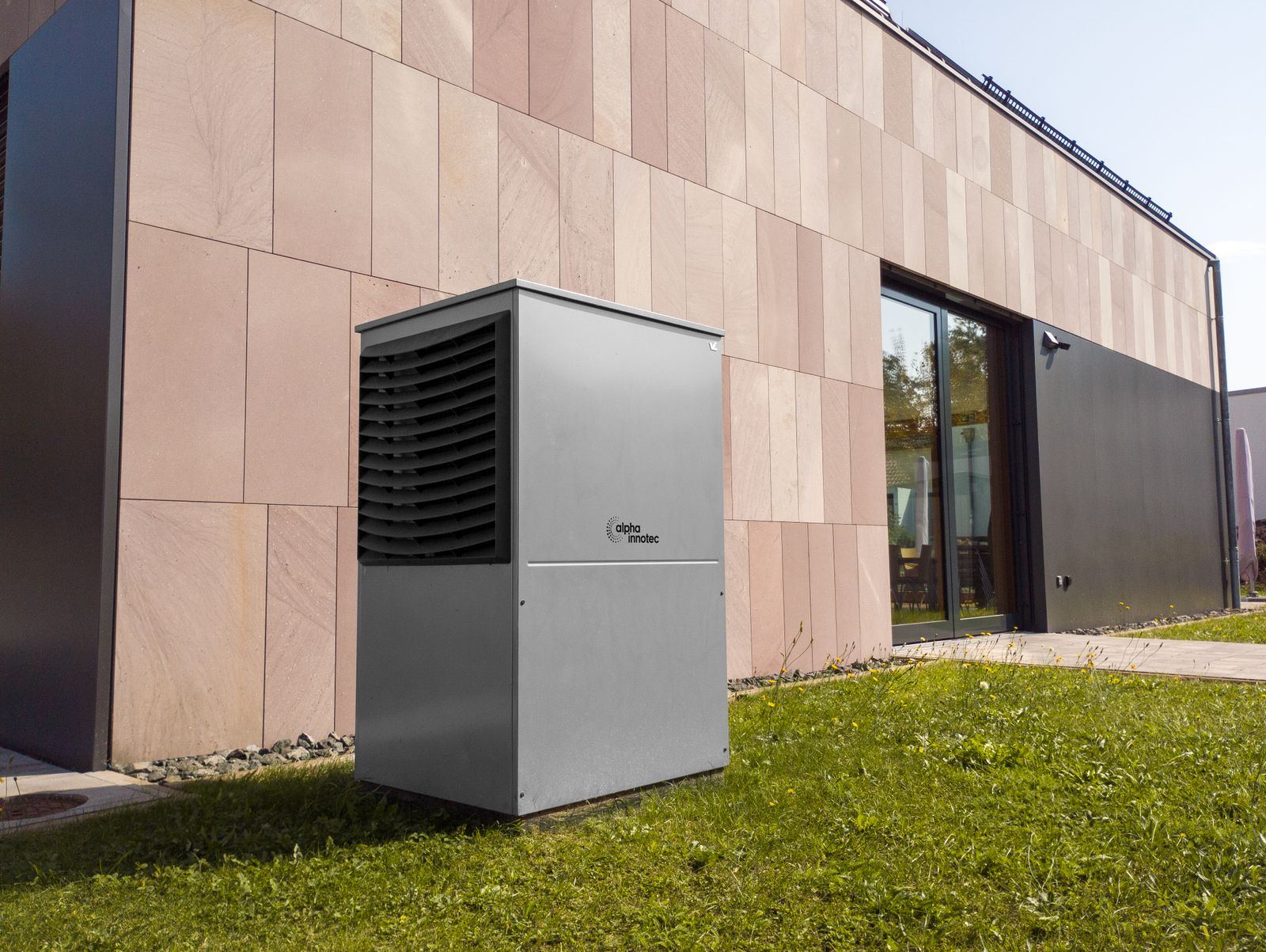
Standard electric water heaters make heat the expensive way: current runs through a resistance element, and every bit of warmth in the tank comes straight off your power bill. A heat pump water heater, often called a hybrid, works differently. A compressor and coil mounted on top collect heat already present in the room air and transfer it into the water, the same principle your refrigerator uses to move heat out of the food compartment. The result is a Uniform Energy Factor that commonly lands at 3 or above, roughly triple the efficiency of a resistance-only tank. For Nashville, TN households that already heat water with electricity, that difference shows up on every monthly bill.
Placement matters more for a heat pump water heater than for any other type. The unit needs a steady supply of room air, so manufacturers generally want around 700 cubic feet of open space, or ducting to borrow air from a larger area when the utility closet is tight. As it runs, it cools and dehumidifies the room, a bonus in a humid basement or hot garage and a drawback in a small, already chilly space. Heat pump operation also has a temperature window: in a space that drops near freezing, the unit falls back on its electric elements and the efficiency advantage shrinks for those hours. Add a condensate line that must drain by gravity or pump, a fan and compressor that make a steady, low hum, and a dedicated 240-volt circuit on most models, and you can see why the planning deserves as much attention as the equipment.
Once the unit is in place, the operating mode and tank size determine how much you save. Heat pump only mode squeezes out the most efficiency; hybrid mode lets the elements help during heavy draws; high-demand mode is there for holiday crowds. Since the compressor heats more slowly than resistance elements, we often size a hybrid slightly larger than the tank it replaces so the backup elements rarely switch on. Installation includes the drain pan, a verified condensate route, a correctly sized circuit and breaker, code-required items like an expansion tank where applicable, and a walkthrough of the controls. Incentive programs, from utility rebates to federal tax credits, cover many qualifying models; we will point you to the ones to look into, though final eligibility is always up to the program. Call (615) 240-2592 to plan a hybrid water heater for your Nashville home.
Most of our service calls are for Water Heater Installation in Nashville. Start there if you're not sure what you need.
How to Tell Something Is Wrong
Most tanks announce trouble weeks or months ahead with rumbling noises, rusty water, or hot showers that keep getting shorter. If any of the following sound familiar, it's worth having the unit checked:
- Humidity problems in the space where the water heater sits
- A plan to take advantage of efficiency incentives where they apply
- A warm utility space the heat pump can draw from
- A 240-volt circuit already in place from your current electric heater
- Power bills where water heating is a large and steady line item
- Your electric tank is past the ten-year mark and you would rather plan than wait for a leak
- An all-electric home, or one heading that direction
- A roomy mechanical area rather than a cramped closet
Don't Wait for a Total Failure
A little rust-colored water or a relief valve that drips now and then can be the first hint of a tank that is close to the end. If you notice any of these signs, contact Nashville Water Heater at (615) 240-2592 for a prompt inspection.
Talk to Us About Heat Pump Water Heaters
Call Nashville Water Heater for fast, reliable service.
Tap to Call (615) 240-2592Your Heat Pump Water Heaters Questions Answered
The Benefits of Professional Heat Pump Water Heaters
A hybrid looks like an ordinary tank with a lid on it, but it combines three trades in one appliance: plumbing, electrical, and a sealed refrigerant system. The water side needs proper connections, a relief valve discharged to a safe location, and an expansion tank where the plumbing is closed. The electrical side needs a circuit and breaker sized to the nameplate, not whatever happens to be there. Then there is the part DIY guides skip: whether the room can actually feed the compressor. A unit squeezed into a small closet without ducting runs on its elements most of the time, which means paying hybrid prices for standard electric performance.
Physical realities matter too. These units are tall and, once full, weigh far more than a person can safely manage alone. The condensate line needs a reliable drain or a pump, and a clogged line can soak flooring before anyone notices. Converting from a gas heater means capping the gas supply, dealing with the old flue, and bringing in a new circuit. Any work on the refrigerant loop requires training and equipment most homeowners do not have. Nashville Water Heater handles those pieces as part of one job, programs the unit before we leave, and provides model and installation details for rebate or credit applications, without guaranteeing any particular incentive.
From Your Call to Hot Water
Every visit follows a step-by-step method built around testing first and replacing parts only when the readings call for it. Here's what you can expect when you choose Nashville Water Heater:
Room Assessment
We measure the room volume, note how warm or cold it runs through the year, find the nearest drain for condensate, and check the electrical panel for a 240-volt circuit.
Right-Sizing the Tank
We size the tank to how your household actually uses hot water, keeping in mind that compressor recovery is slower than an element's.
Install Day
We remove the old unit, set the new one level in a pan, connect the plumbing and circuit, route the condensate, and add code items like an expansion tank where required.
Settings and Testing
At the end of the visit, the unit is running, draining, and set to the right mode, and you know which setting to use when guests arrive.
Not Sure What You Need?
Call Nashville Water Heater to talk through your situation with an experienced technician.
Tap to Call (615) 240-2592Tips to Keep Your Water Heater Healthy
A little routine care goes a long way toward keeping a water heater running well past its expected lifespan. Start with these practical measures our team relies on:
- Ask for an anode rod check during maintenance visits
- Look at the condensate line now and then to make sure it is draining freely
- Switch to vacation mode before a trip to cut idle energy use
- Check the air filter regularly and wash it whenever dust builds up
- Flush the tank once a year to clear sediment, just as you would with a standard heater
- Avoid crowding the unit with shelves or boxes that choke off airflow
- Keep chemicals, paint, and lint sources away from the intake air
DIY vs. Professional Heat Pump Water Heaters
Online videos may help in a pinch, yet lasting repairs and code-compliant installs depend on correct venting, proper relief valve discharge piping, and a trained technician. Here's how the two approaches stack up:
| Factor | Doing It Yourself | Hiring a Pro |
|---|---|---|
| Placement | Space never measured | Located where the compressor can work |
| Wiring | Circuit left unchecked | Circuit matched to the nameplate |
| Condensate | Line left to drip on the floor | Condensate path planned and verified |
| Sizing | Same size as the old tank by default | Capacity matched to household use |
| Operating Mode | Left on the factory default | Controls explained before we leave |
| Code Items | Local requirements unknown | Installed to local requirements |
Get Heat Pump Water Heaters Help Today
Cold showers and damp floors don't get better on their own. Nashville Water Heater can have a technician headed your way soon.
Get Help: (615) 240-2592Areas We Serve for Heat Pump Water Heaters
Our service area reaches well past the city limits. Choose your community for local details.